The Rise of Decentralized Communication Systems — 2026-10-16
Discover how decentralized communication systems like AetherTelecom are set to revolutionize global connectivity, offering enhanced privacy, security, and resilience beyond traditional cellular networks.
The Rise of Decentralized Communication Systems
The way we communicate is on the brink of a profound transformation. For decades, cellular towers and centralized internet infrastructure have been the backbone of global connectivity. However, this model faces growing challenges related to privacy, security, resilience, and equitable access. A new paradigm is emerging: decentralized communication systems.
What are Decentralized Communication Systems?
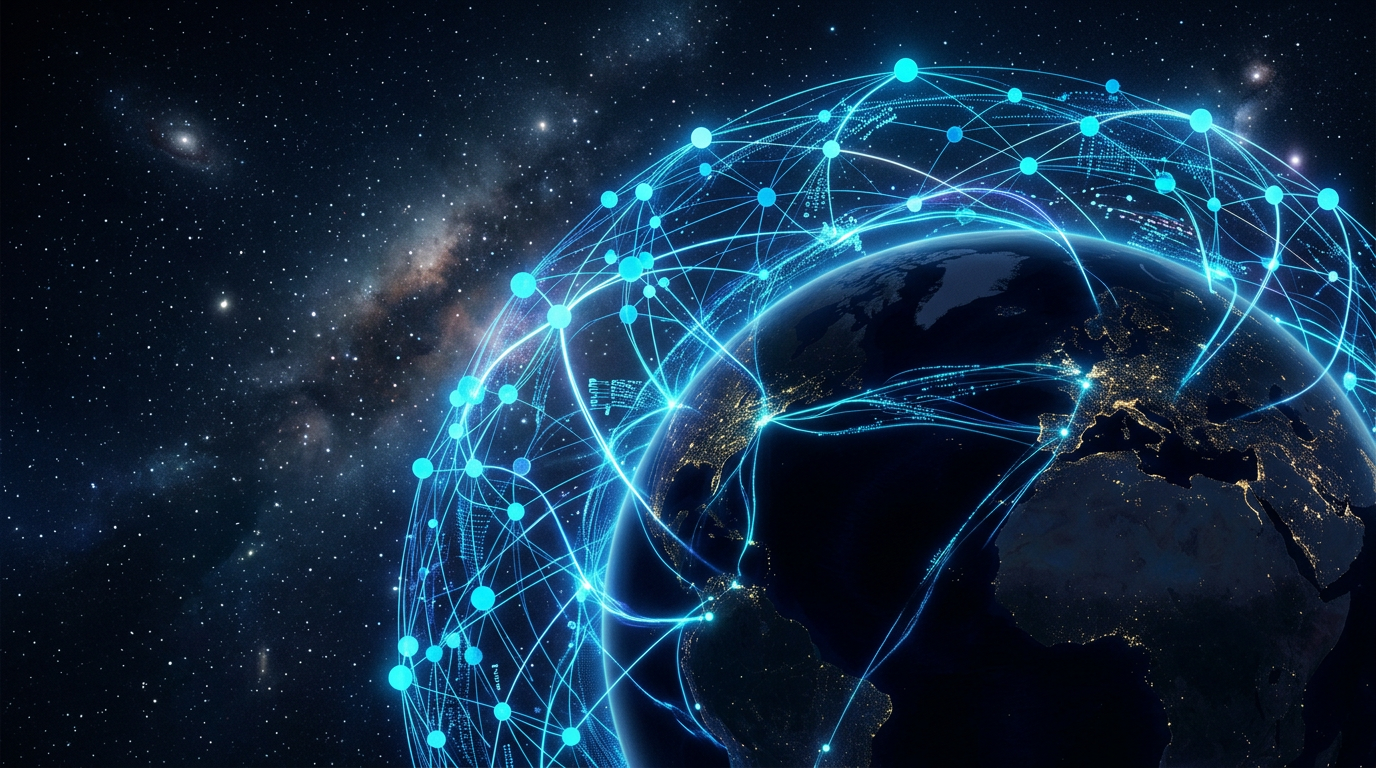
At their core, decentralized communication systems are networks that operate without a single point of control or failure. Unlike traditional cellular networks, which rely on central towers and switching stations, decentralized systems enable devices to connect directly with each other, forming a dynamic, self-healing mesh. This peer-to-peer architecture distributes data routing and storage, inherently enhancing robustness and censorship resistance.
Key Principles:
- Peer-to-Peer (P2P) Connectivity: Devices communicate directly or through nearby nodes, not via central servers.
- Distributed Infrastructure: No single entity controls the network; power is spread across all participating devices.
- Enhanced Privacy & Security: Built-in cryptographic measures protect communications from surveillance and tampering.
- Resilience & Redundancy: The network can adapt and re-route traffic around disruptions, making it resistant to outages.
- Accessibility: Potential to bring connectivity to underserved or disaster-stricken areas without needing traditional infrastructure.
Why Decentralization Now?
The impetus for this shift comes from several critical factors:
- Privacy Concerns: Centralized platforms often collect vast amounts of user data, raising privacy alarms. Decentralization can mitigate this by keeping data local or encrypted end-to-end.
- Censorship & Control: Governments and corporations can exert control over traditional networks, leading to censorship or service blackouts. Decentralized networks are harder to shut down or manipulate.
- Security Vulnerabilities: Single points of failure in centralized systems present attractive targets for cyberattacks. A distributed architecture improves security by spreading the risk.
- Infrastructure Costs & Gaps: Building and maintaining cellular infrastructure is expensive, leaving many regions without reliable service. Decentralized mesh networks can offer a more cost-effective and adaptable solution.
How AetherTelecom is Pioneering the Future
AetherTelecom is at the forefront of building this next generation of global communication. Our vision is a world where everyone has access to secure, private, and resilient connectivity, irrespective of their location or existing infrastructure.
We are developing a decentralized, peer-to-peer global communication mesh that fundamentally alters how devices connect. Our system replaces traditional cellular towers and SIM cards, allowing devices to communicate directly using AI-routed device-to-device networking.
Core Technologies Powering AetherTelecom:
- AI-Routed Mesh Networking: Advanced artificial intelligence dynamically optimizes data paths across devices, ensuring efficient and robust communication.
- Post-Quantum Cryptography (PQC): We are integrating PQC to future-proof communications against the threat of quantum computing, ensuring long-term privacy and data integrity.
- Decentralized Identifiers (DIDs): Leveraging self-sovereign identity principles, users maintain full control over their digital identities without relying on centralized authorities.
- Energy Efficiency: Optimizing protocols for low-power operation, crucial for device-to-device battery life and sustainable networking.
Our platform will enable seamless voice calls, messaging, and data transfer without the need for traditional cellular subscriptions or reliance on vulnerable central servers. Imagine connecting securely with anyone, anywhere, with just your device and the AetherTelecom network.
Key Facts About Decentralized Communication Systems
- Resilience: Designed to operate even when traditional internet or cellular services are down, making them ideal for disaster relief or remote areas.
- Privacy by Design: End-to-end encryption and metadata obfuscation are often core features, not afterthoughts.
- Scalability Challenges: While promising, ensuring efficient scaling with a growing number of diverse nodes is a complex engineering task.
- Interoperability: Integrating with existing internet protocols and ensuring smooth transition for users remains a key development area.
- Energy Footprint: Optimizing power consumption for constantly communicating devices is a crucial design consideration.
- Market Opportunity: The global cellular IoT market alone is projected to reach over 150 billion by 2030, presenting a significant opportunity for alternative, decentralized networks.
The Road Ahead
The journey to a fully decentralized global communication mesh is complex, but the potential benefits are immense. AetherTelecom is committed to overcoming technical challenges and fostering a community of users and developers to build this new digital frontier.
As our world becomes more interconnected, the demand for communication systems that prioritize individual privacy, security, and resilience will only grow. Decentralized networks offer a compelling answer to these demands, promising a future of truly free and open communication for all.
Join AetherTelecom in building the future of global connectivity.
Frequently Asked Questions (FAQs)
Frequently asked questions
- What is the main difference between decentralized and traditional communication systems?
- Traditional systems rely on centralized infrastructure like cellular towers and data centers, creating single points of control and failure. Decentralized systems, like AetherTelecom's, allow devices to communicate directly in a peer-to-peer mesh, distributing control and enhancing resilience.
- How do decentralized systems improve privacy and security?
- By eliminating central points of data collection and control, and by integrating advanced encryption like post-quantum cryptography, decentralized systems make it significantly harder for third parties to intercept, censor, or surveil communications.
- Can AetherTelecom's network replace my current cellular service?
- Yes, AetherTelecom aims to provide a fully functional alternative to traditional cellular services, enabling voice, messaging, and data transfer without the need for SIM cards or reliance on established carriers.
- What is AI-routed device-to-device networking?
- This refers to the use of artificial intelligence to dynamically manage and optimize the path that data takes between devices in a mesh network. AI ensures efficient, robust, and adaptive communication, even in challenging environments.
- What is post-quantum cryptography and why is it important?
- Post-quantum cryptography (PQC) is a new class of cryptographic algorithms designed to resist attacks from future quantum computers. AetherTelecom integrates PQC to secure communications against this emerging threat, ensuring long-term data integrity and privacy.