The Architecture Behind AetherTelecom
A deep dive into AetherTelecom's innovative architecture: AI-driven routing, post-quantum crypto, and peer-to-peer mesh networking redefine global communication.
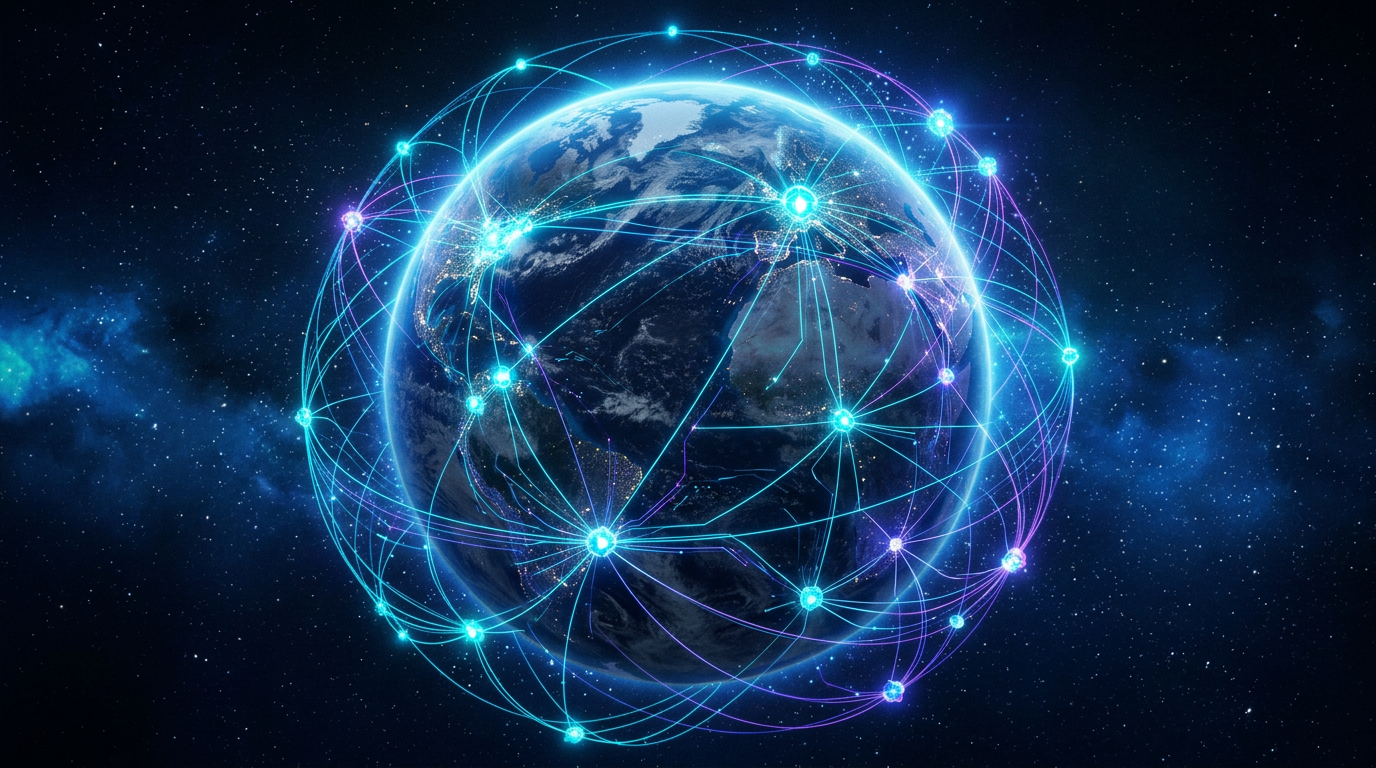
The Architecture Behind AetherTelecom
For decades, global communication has relied on centralized cellular towers and SIM card infrastructure. This model, while pervasive, presents inherent vulnerabilities: single points of failure, privacy concerns, and limited accessibility in remote or disaster-stricken areas. AetherTelecom was founded to fundamentally redefine this paradigm. Our core mission is to build a decentralized, peer-to-peer global communication mesh that is resilient, secure, and accessible to everyone, everywhere.
This article delves into the foundational architecture that makes AetherTelecom possible, outlining the key technological pillars that enable a new era of connectivity.
Key Architectural Pillars
AetherTelecom's innovative communication network is built upon three primary architectural pillars:
- AI-Routed Device-to-Device Networking: Intelligent, dynamic routing for optimal data transmission.
- Decentralized Peer-to-Peer Mesh: A robust, self-healing network without central points of control.
- Post-Quantum Cryptography: Future-proofing communications against advanced cyber threats.
1. AI-Routed Device-to-Device Networking
Traditional cellular networks route traffic through fixed base stations. AetherTelecom operates differently. Every AetherTelecom-enabled device acts as a node in the network, capable of directly communicating with and routing traffic for other nearby devices. This device-to-device (D2D) capability is orchestrated by sophisticated AI algorithms.
How AI Routing Works
Our AI-driven routing engine continuously analyzes network conditions, device locations, signal strength, and available bandwidth across the mesh. It dynamically determines the most efficient and secure path for data packets to travel from source to destination. This isn't a static routing table; it's a living, adapting system.
- Dynamic Pathfinding: AI evaluates multiple potential paths, prioritizing low latency and high reliability.
- Congestion Avoidance: Algorithms identify and circumvent congested network segments.
- Power Optimization: Routing decisions can factor in device battery levels to minimize power consumption where possible.
- Interoperability: The AI layer manages seamless handoffs between different device types and communication protocols.
This intelligent routing allows the AetherTelecom network to efficiently scale, adapt to changing environmental conditions, and maintain connectivity even when parts of the network are disrupted.
2. Decentralized Peer-to-Peer Mesh
The concept of a mesh network isn't new, but AetherTelecom's implementation elevates it to a global scale, entirely removing the need for traditional cellular infrastructure. In our network, there are no central servers or towers that can fail or be compromised.
Network Resilience and Redundancy
Each AetherTelecom device contributes to the network's strength and resilience. If one device or a cluster of devices goes offline, the mesh automatically reconfigures, finding alternative paths for data. This self-healing property makes the AetherTelecom network highly resistant to outages, natural disasters, and targeted attacks.
- No Single Point of Failure: Eliminates the vulnerability of centralized infrastructure.
- Self-Organizing: Devices automatically discover and connect to neighbors, forming and maintaining the mesh.
- Scalability: The network grows stronger and more robust with each new device that joins.
- Local Connectivity: Even without internet backhaul, nearby AetherTelecom devices can communicate directly.
This decentralized model is fundamental to AetherTelecom's promise of always-on, global connectivity.
3. Post-Quantum Cryptography
Security and privacy are paramount for AetherTelecom. As quantum computing advances, traditional cryptographic methods are becoming increasingly vulnerable. To future-proof our network against these emerging threats, AetherTelecom integrates state-of-the-art post-quantum cryptography (PQC).
Protecting Data in a Quantum Era
PQC refers to cryptographic algorithms designed to be secure against attacks by quantum computers, as well as classical computers. By implementing PQC from the ground up, AetherTelecom ensures that all communications – from device authentication to data transmission – remain confidential and tamper-proof for decades to come.
- Quantum-Resistant Algorithms: Utilizes NIST-standardized (or candidates for standardization) PQC algorithms for key exchange and digital signatures.
- End-to-End Encryption: All data traversing the AetherTelecom mesh is encrypted from the originating device to the destination device.
- Identity Management: Secure, decentralized identity management replaces traditional SIM card authentication, protected by PQC.
- Forward Secrecy: Even if long-term keys are compromised in the future, past communications remain secure.
This commitment to advanced cryptography ensures AetherTelecom users can communicate with unparalleled privacy and security, regardless of future technological advancements.
The AetherTelecom Advantage: Beyond the Technical
The architectural choices made by AetherTelecom translate directly into tangible benefits for users and the global community:
- Global Accessibility: Breaks down barriers of geography and infrastructure, connecting remote regions.
- Unprecedented Resilience: Maintains communication during disasters, outages, or censorship events.
- Enhanced Privacy & Security: End-to-end PQC encryption and decentralized identity protect user data.
- Cost-Effectiveness: Reduces reliance on expensive, centralized infrastructure, potentially lowering user costs.
- Innovation Platform: The open, decentralized nature fosters new applications and services.
Key Facts about AetherTelecom's Architecture
- AetherTelecom's network operates without cellular towers or SIM cards.
- All devices act as peer-to-peer nodes, routing traffic for each other.
- AI algorithms dynamically optimize data paths based on real-time network conditions.
- The network is decentralized, ensuring no single point of failure.
- Self-healing capabilities allow the mesh to adapt to node outages.
- Post-quantum cryptography (PQC) secures all communications against future quantum computer attacks.
- End-to-end encryption is a foundational security principle.
- AetherTelecom aims to provide global connectivity independent of traditional carriers.
Conclusion
AetherTelecom's architectural foundation represents a significant leap forward in communication technology. By merging AI-driven routing, a robust decentralized mesh, and state-of-the-art post-quantum cryptography, we are building a network that is not only highly efficient and secure but also resilient against the challenges of the 21st century. This innovative approach to connectivity promises to democratize access to communication, fostering a more connected and secure world for everyone.
Join us as we build the future of global communication. Learn more about AetherTelecom and how you can be a part of this revolution at AetherTelecom.com.
Frequently asked questions
- What is the primary difference between AetherTelecom and traditional cellular networks?
- AetherTelecom operates without cellular towers or SIM cards, relying instead on a decentralized, peer-to-peer mesh where devices directly route traffic. Traditional networks depend on centralized infrastructure, creating single points of failure and limiting global reach.
- How does AetherTelecom achieve global coverage without towers?
- AetherTelecom achieves global coverage through its decentralized, AI-routed device-to-device mesh network. Every enabled device acts as a node, extending the network's reach and intelligently finding optimal paths for data across the globe, including satellite backhaul for long distances.
- What is 'AI-routed device-to-device networking'?
- AI-routed D2D networking means that AetherTelecom devices communicate directly with each other, and sophisticated AI algorithms dynamically determine the most efficient, secure, and resilient path for data across the mesh, adapting in real-time to network conditions.
- Why is 'post-quantum cryptography' important for AetherTelecom?
- Post-quantum cryptography (PQC) is crucial for AetherTelecom to secure all communications against the threat of future quantum computers. It ensures that user data and identities remain confidential and protected from advanced decryption methods for decades to come.
- Does AetherTelecom require an internet connection to work?
- No, AetherTelecom devices can communicate directly with nearby nodes even without an internet connection. For longer distances or global reach, the mesh intelligently leverages available internet backhaul or satellite links, but local communication remains independent.
- How does AetherTelecom ensure network resilience and prevent outages?
- AetherTelecom's decentralized peer-to-peer mesh network has no single point of failure. If one device or part of the network goes offline, the self-healing mesh automatically reconfigures, finding alternative routes to maintain continuous communication, making it highly resilient to disruptions.